
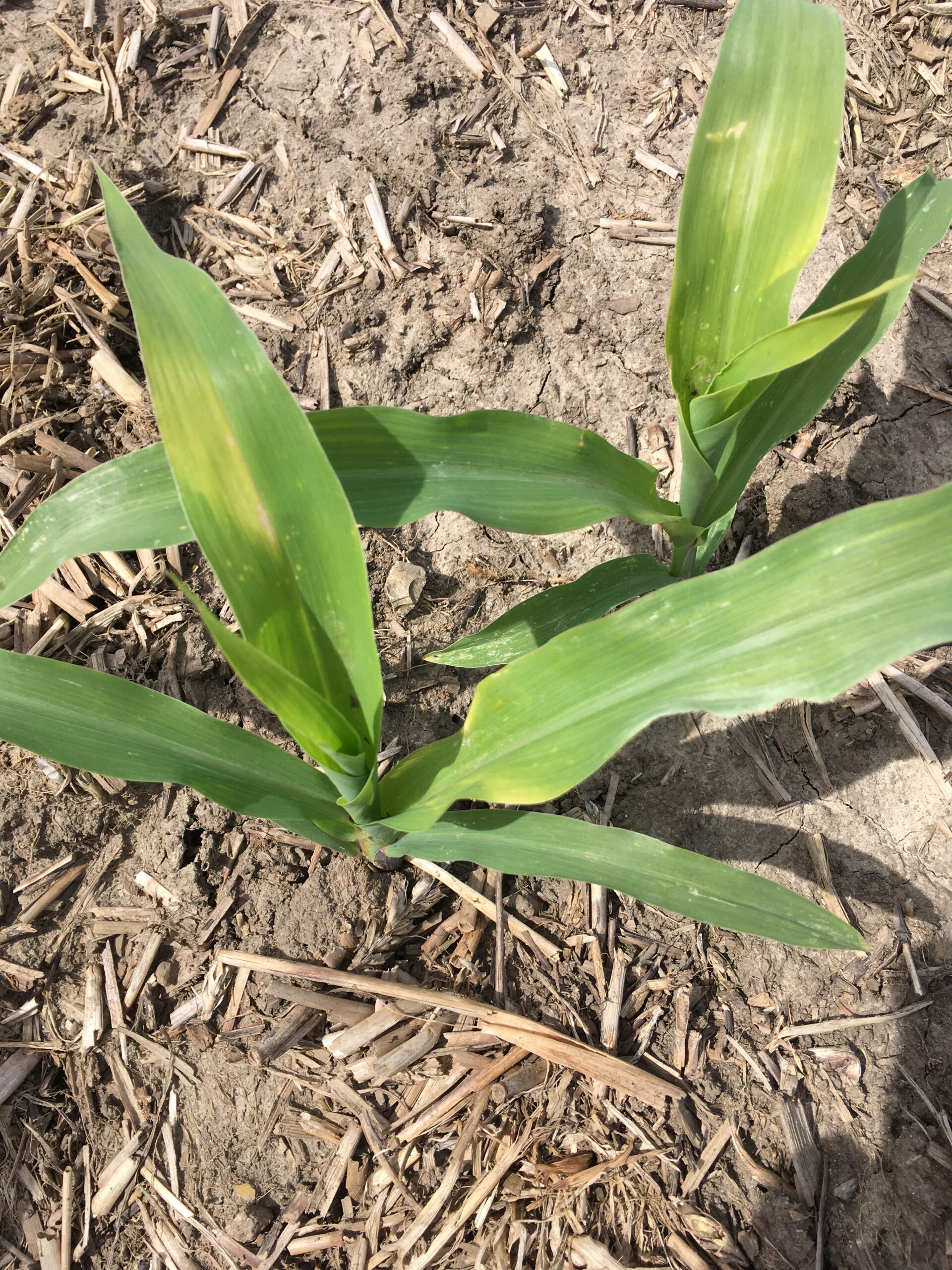
I had a recent conversation with a fellow farmer about how much the “ag” world and the “non-ag” world were drifting apart. It reminded me of a time a few years ago during the month of June, when I was walking in a field planted to corn with a land developer.
I was asked to give my opinion on some drainage issues, and while we were walking through the eight-inch-tall corn plants he asked me what was growing there. I gave him a quizzical look of what do you mean, but when I looked at his face, I realized he had no idea it was corn.
Since I grew up on a farm and in an area where soybeans and corn are planted all over, I assumed everyone had to know what these crops looked like. I was wrong then, so I thought I would write about corn this time. What we call corn is also called maize in many other parts of the world. It has been grown for thousands of years as a source of food for people and animals.
There are many different types of corn, but I’m just going to cover the big three.
Sweet Corn
This is the yummy stuff we enjoy eating fresh in the summertime and is also what can be bought in cans and frozen at the grocery store. Sweet corn has been specially bred to produce kernels that are tender and taste sweet to us.
If you remember nothing else from this article, please remember this next part: As soon as the ear is picked from the stalk, the sugary fluid inside the kernel starts to turn into starch, which causes it to change flavor and texture. Refrigeration helps slow this process, but does not stop it. Fresh sweet corn always tastes the best for this reason, so always try to buy fresh corn in season for the best experience!
Popcorn
I think we all know what popcorn is. It, too has been specially bred to produce a kernel with a hard shell that, when heated, pops open creating a magical fluffy eating delight.
The thing to know about popcorn is that the amount of moisture inside the kernel affects how well it pops. So, if you notice a bunch of un-popped kernels in your bag or bowl it’s likely because the moisture inside the kernel has changed since you purchased it. It could be too high or too low, but you can’t tell without a moisture tester so it’s best to buy and store popcorn in an airtight container.
Indiana and Nebraska are the top two producers of popcorn.
Dent Corn
Very few have probably heard of dent corn, but that is the name by which most of the corn produced in the world goes by. You can try to eat it like sweet corn, but it’s not very good (I’ve tried it!) It won’t pop like popcorn either, so don’t bother trying.
Dent corn is used for animal feed, fuel production (ethanol), cereal production, sweeteners, and many more things. I bet that almost every person has an interaction with dent corn every day of their lives. It’s for breakfast, in your vehicle’s fuel tank, the food you eat and the drinks you drink.
The final numbers are not in yet, but per the USDA their estimate of United States dent corn production is between 16 and 17 billion bushels. The US is the world’s leading corn producer which accounts for about 1/3 of the global production.
Hopefully now you know more about the types of corn and what they are used for, plus how it impacts our lives every day. For now, go and enjoy some popcorn. Next summer after you eat your corn-based breakfast cereal, go for a drive and burn some ethanol, while sipping your corn-sweetened beverage, past all the fields of corn and pick up some sweet corn for supper. Until next time, keep eating!