As we approach Thanksgiving, I thought I would touch on how agriculture is involved in the holiday, and everyday for that matter.
Let’s start with the traditional turkey. Roughly 6 months prior to Thanksgiving, a male turkey (called a tom) and a female turkey (called a hen) produce a fertile egg. The eggs are then placed into an incubator for roughly 28 days.
The incubator is a warm climate-controlled device that mimics the natural process of a hen setting on eggs. The baby turkey, having grown to big for its shell, will use its beak to peck open the shell, completely breaking it apart and emerge into the incubator with the other babies called poults.
The poults are then placed into a brooder, which is a place where they can stay warm, away from areas that are to cool that might kill them. Once they grow and have their own protective feathers, they are ready to get growing. This is usually done in large barns with plenty of ventilation where the birds can roam around just eating, drinking and sleeping.
Prior to the holiday, the adult turkeys are processed for us humans to enjoy. All those steps prior to processing require a farmer.
How about the potatoes? Well, they were planted in a field, raised by and harvested by a farmer.
What about the cranberries? Once again, planted in a field, raised by and harvested by a farmer.
How about the rolls you ask? Rolls are made with flour which can be made by several different types of small grains, the most common of which is wheat; once again, planted in a field, raised by and harvested by a farmer.
Green beans, pumpkins for pumpkin pie, and most everything else you can think of was… you guessed it, planted in a field, raised by and harvested by a farmer.
What about what you drink, i.e. milk, juice, coffee, tea, etc.? Once again, a farmer produced it. Many people believe their food comes from the grocery store, but the grocery store is just the last stop before making it to our homes. Without the farmers producing it, and processors processing it, the grocery stores selling it and all the transportation in between, your meals would be much different. I’m not saying you would be starving but you would have to grow it yourself the way our ancestors did.
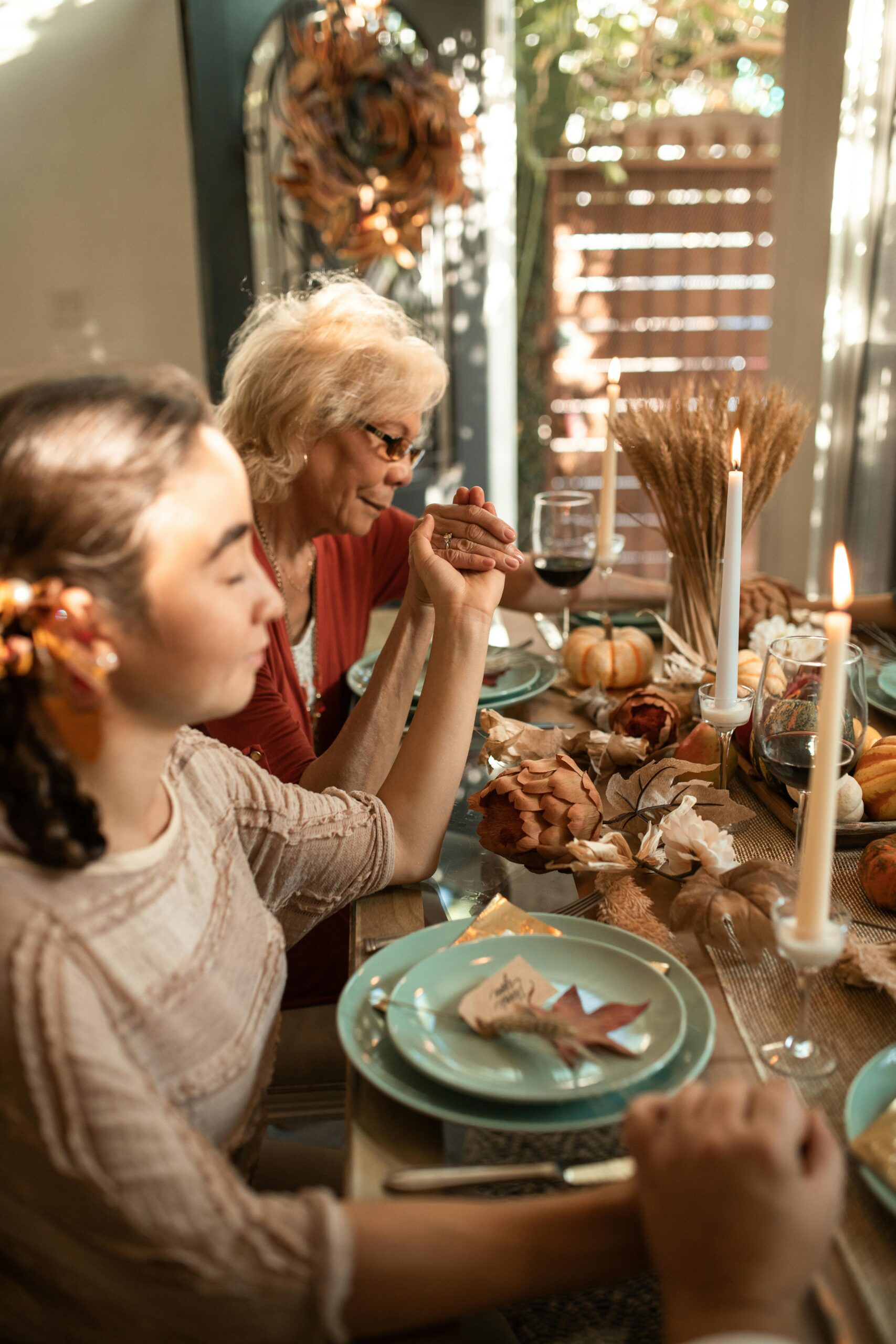
So maybe when you sit down to that Thanksgiving feast, or to any meal for that matter, and give thanks, be sure to give thanks to all the hard-working men and women that produced that food for you. Happy Thanksgiving!