Most kids know that food comes from a grocery store, but many don’t realize the story begins long before that.
Understanding where food comes from helps children see the connection between farms, land, weather, and the meals on their plates. For families and educators in Northwest Indiana, local agriculture provides a great opportunity to make that learning real and memorable.
The Lake County Farm Bureau works to help bridge that gap by connecting students, teachers, and families with the people and practices behind local farming. By sharing real examples from farms in our region, kids can begin to understand how food is grown, raised, and harvested—and why agriculture plays an important role in everyday life.
What Kids Can See Growing Around Northwest Indiana
One of the easiest ways to teach kids about agriculture is to explain the basic planting and harvest cycle, and kids learn best when they can connect lessons to the world around them. In Lake County and Northwest Indiana, many farms grow crops such as corn and soybeans, typically planted in the spring after the soil warms and harvested in the fall.
Explaining this cycle helps children understand that food production follows the rhythms of the seasons and depends on careful planning, weather conditions, and healthy soil.
Students may also see vegetable farms, orchards, and livestock operations throughout the region. Pointing out these local examples helps kids realize that agriculture isn’t something far away—it’s happening right here in their community.
Help Kids Understand Where Different Foods Come From
Children often assume all food is grown the same way. In reality, different foods come from very different types of farming.
For example:
- Vegetables and fruits grow in fields, orchards, or gardens
- Grains like corn and wheat are harvested from crop fields
- Milk, eggs, and meat come from livestock raised by farmers
Talking about these differences helps kids understand the variety of work involved in agriculture and the many farmers who contribute to the food system.
In Northwest Indiana, farms may raise livestock, grow crops, or do a combination of both, depending on the land and resources available.
A Simple Way to Start the Conversation
Try asking kids three questions at the dinner table or in the classroom:
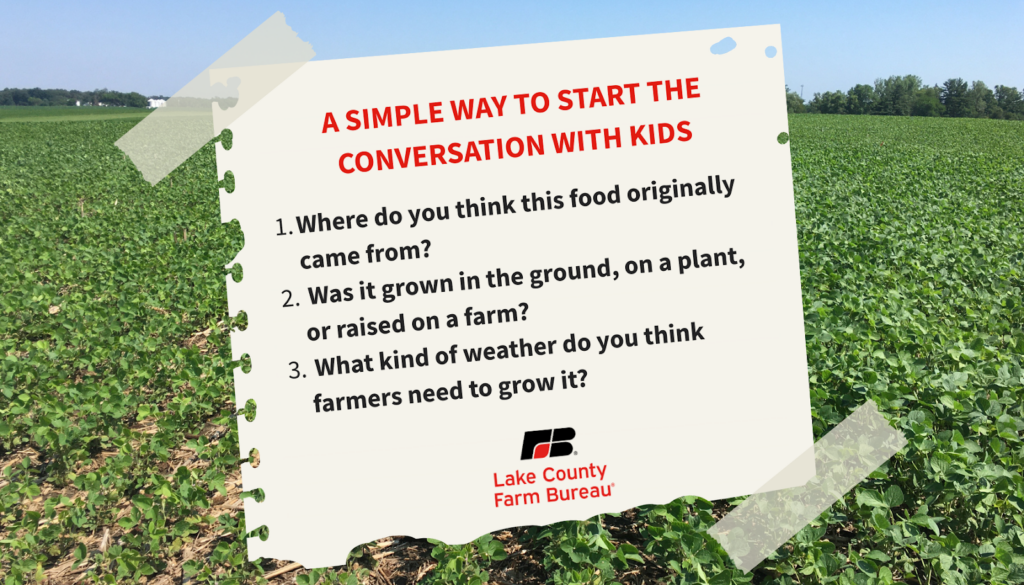
Even small conversations like these help children start thinking about agriculture and the journey food takes from farm to table.
Show How Weather Shapes Farming
Weather is one of the most important factors in agriculture, and it’s also something kids can easily relate to.
Rain, temperature, sunlight, and seasonal changes all affect how crops grow. Too much rain can delay planting, while dry conditions can stress crops during the growing season.
Farmers constantly watch weather patterns and adjust their plans accordingly. This helps kids understand that farming requires problem-solving, patience, and careful decision-making.
It also introduces an important lesson: agriculture depends on both science and nature.
Talk About Land, Soil, and Why Farms Matter
Another important part of agriculture education is helping kids understand why farmland matters.
Healthy soil allows crops to grow, supports ecosystems, and helps farmers produce food efficiently. Farmers often use conservation practices to protect soil and water while maintaining productive land.
In regions like Lake County and Northwest Indiana, farmland also helps preserve open space and rural landscapes that are part of the community’s heritage.
Understanding the importance of land stewardship helps kids see farming as both an environmental and economic responsibility.
Bring Agriculture Learning into the Classroom
For educators and parents who want to explore these topics further, hands-on learning can make agriculture more engaging.
Programs like Ag in the Classroom, supported by organizations such as the Lake County Farm Bureau, bring agricultural education directly to students through:
- Classroom presentations
- Agriculture-themed lesson materials
- Interactive learning activities
- Connections to real farmers and local agriculture
In Lake County, Indiana, Ag in the Classroom programs help students learn directly from local agriculture professionals and educational materials designed to connect farming with science, geography, and everyday life.
Why Agricultural Literacy Matters
Agriculture touches nearly every part of daily life, from the food we eat to the land that surrounds our communities.
Helping kids understand where food comes from builds awareness of the people and systems that make modern life possible. It also encourages curiosity about farming, environmental stewardship, and the future of agriculture.
For many students, learning about agriculture for the first time opens the door to new interests, careers, and appreciation for the work farmers do.
Organizations like the Lake County Farm Bureau play an important role in making those connections possible for families and classrooms across Northwest Indiana.
A Few FAQs About Agriculture and Food
Why is it important for kids to learn where food comes from?
Understanding food origins helps children connect agriculture, science, and the environment. It also helps them appreciate the work farmers do to grow and raise food.
What is agricultural literacy?
Agricultural literacy means understanding how food is produced, how farming affects the environment and economy, and how agriculture connects to everyday life.
Are there agriculture education programs in Northwest Indiana?
Yes. Programs like Ag in the Classroom, supported by organizations such as the Lake County Farm Bureau, help schools and community groups introduce students to agriculture through lessons, activities, and real-world examples.
Bring Agricultural Learning to Your Classroom or Group
The Lake County Farm Bureau helps educators and community groups bring agriculture education directly to students through Ag in the Classroom programs and resources.
Request an Ag in the Classroom visit or resource kit to help students explore where food comes from and how farming works in Northwest Indiana.
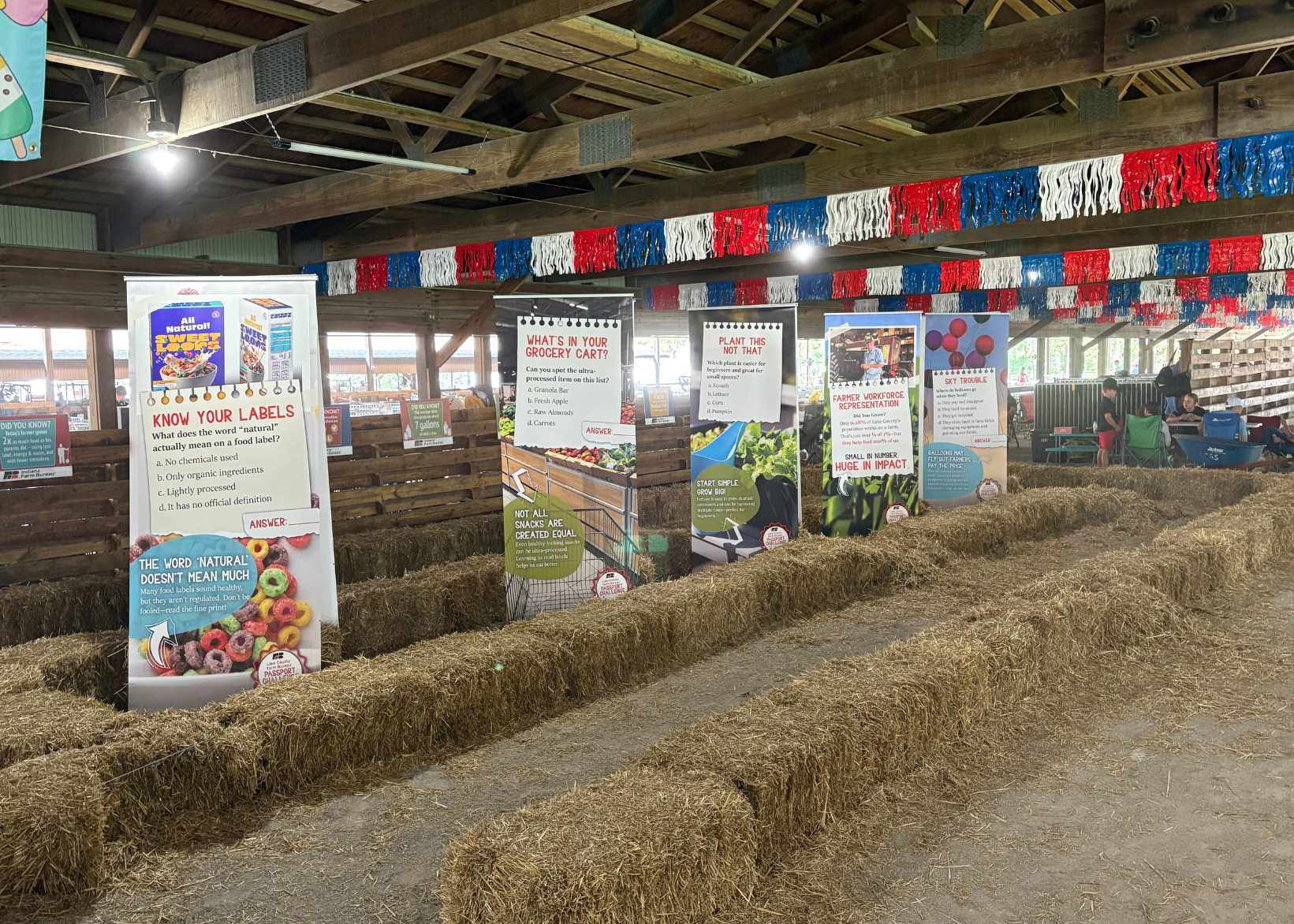
For families and students, agriculture education doesn’t stop in the classroom. Events like the Lake County Fair also give kids a chance to see agriculture up close through livestock exhibits, demonstrations, and hands-on learning experiences.
About the Lake County Farm Bureau
The Lake County Farm Bureau, Inc., represents farmers and rural communities across Lake County, Indiana. As a local affiliate of the Indiana Farm Bureau, the organization works to support agriculture through education, advocacy, and community programs. Learn more about upcoming programs, events, and ways to support local agriculture by visiting the Lake County Farm Bureau.