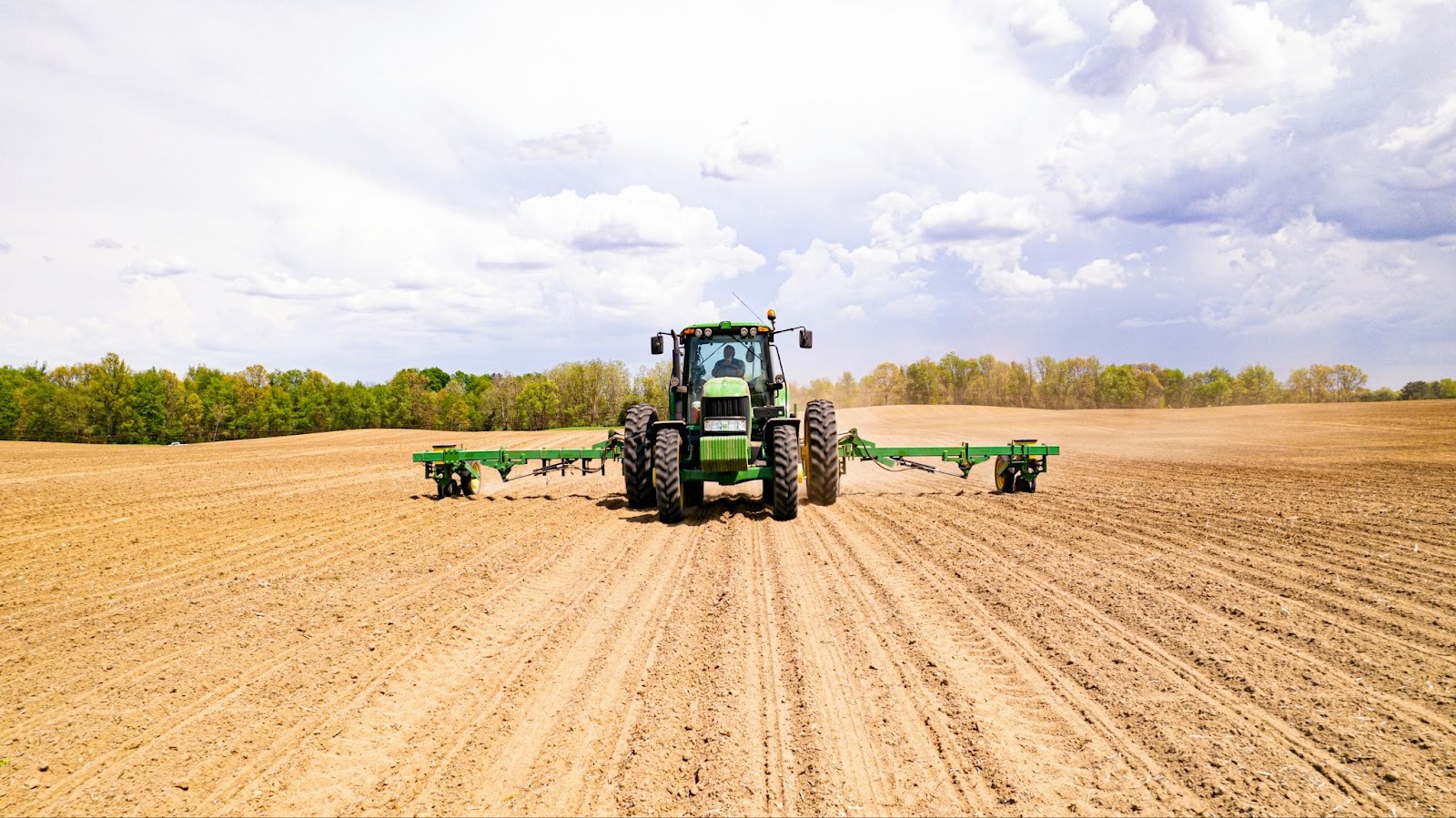
The sun is just starting to rise over a field in Northwest Indiana. A tractor engine starts, weather conditions are checked, and the first rows of corn or soybeans are planted into soil that has finally warmed after a long winter.
For local farmers, mornings like this mark the beginning of one of the most important seasons of the year: planting season.
When many people in Northwest Indiana are just starting their morning commute, local farmers have often already been awake for hours.
Spring is one of the busiest times of year on farms across Lake County and the surrounding region. Fields that sat quiet through the winter suddenly come alive with tractors, planters, and careful decisions about soil, weather, and timing.
For farmers, every day during planting season matters. The work happening now will shape the crops that grow throughout the summer and eventually become food, feed, and fuel used across the region.
Early Morning: Checking the Weather and the Soil
A farmer’s day often begins before sunrise.
One of the first things many farmers do in the spring is check weather forecasts and soil conditions. Temperature, rainfall, and soil moisture all influence when it’s the right time to plant crops like corn and soybeans, two of the most common crops grown in Northwest Indiana.
Plant too early and seeds may struggle in cold soil. Wait too long, and farmers can miss important growing windows.
Because of this, planting season requires careful planning and constant observation.
Mid-Morning: Preparing Fields and Equipment
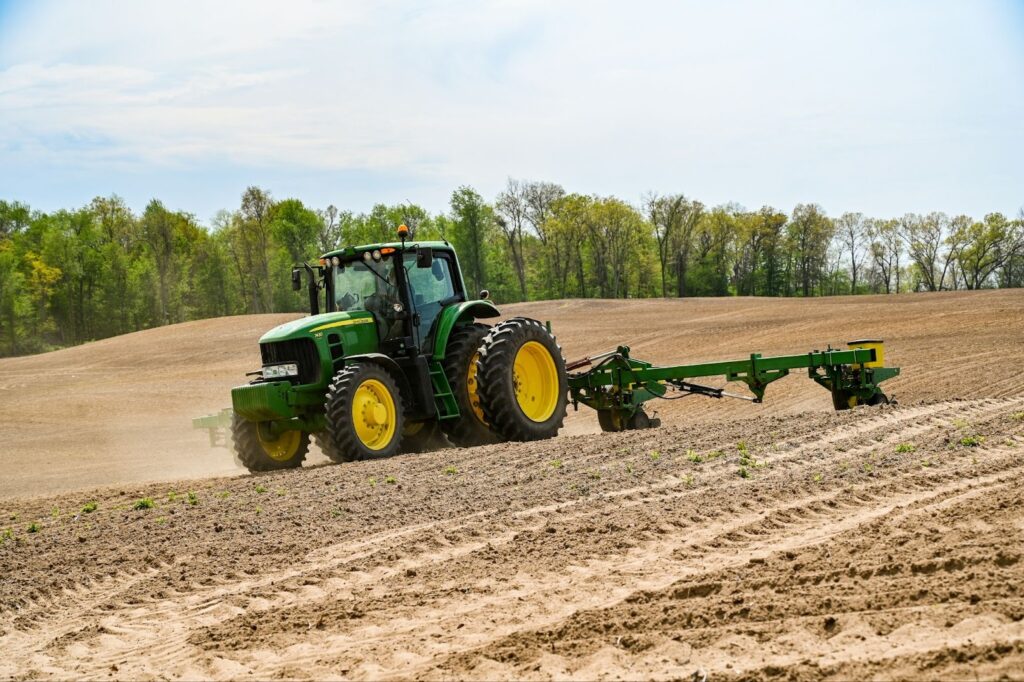
By mid-morning, farmers are often in the field preparing equipment or beginning to plant.
Modern planters are designed to place seeds at precise depths and spacing, so crops have the best chance to grow. Farmers monitor equipment closely to make sure seeds are planted evenly, and soil conditions remain healthy.
In Lake County farms, planting can move quickly when weather conditions are right. During a good weather window, farmers may spend long hours in the field to make the most of every day.
Afternoon: Watching the Weather and Adjusting Plans
Spring weather in Northwest Indiana can change quickly.
Rainstorms, temperature swings, and wind conditions all affect planting schedules. Farmers constantly watch the sky and monitor forecasts, adjusting their plans as needed.
Sometimes that means pausing work when fields become too wet. Other days, it means working later into the evening to finish planting before rain arrives.
This ability to adapt is one of the most important skills farmers develop over time.
Across Lake County, drivers may notice tractors moving between fields, planters working long rows of soil, and farm equipment traveling local roads as farmers make the most of each good weather window.
These moments are part of the seasonal rhythm of agriculture in Northwest Indiana, and a reminder that many of the foods we rely on begin growing right here in our local communities.
Evening: Wrapping Up and Preparing for Tomorrow
Even after the tractors stop, the workday isn’t always finished.
Farmers may spend time reviewing field progress, maintaining equipment, or planning the next day’s work. During the busy spring season, these preparations help ensure that every available day can be used efficiently.
While the work can be demanding, planting season is also one of the most exciting times on the farm. It represents the start of a new growing season and the beginning of the crops that will develop throughout the summer.
Why Spring Matters So Much on Local Farms
The decisions farmers make in the spring affect the entire growing season.
Healthy soil conditions, proper planting depth, and good timing all contribute to strong crops later in the year. When planting goes well, it sets the foundation for a successful harvest months later.
Across Northwest Indiana, farms of all sizes work through this same process every spring, contributing to the region’s food system and local economy.
The Northwest Indiana Farming Community
Farming is often a family-centered profession built on generations of knowledge and experience.
Many farmers in Lake County and surrounding communities care deeply about the land they manage and the food they help produce. Their work supports local businesses, rural communities, and the broader agricultural economy across Indiana.
Organizations like the Lake County Farm Bureau help bring farmers and community members together through education, advocacy, and local programs that strengthen the region’s agricultural community.
Each summer, many of these same farmers also connect with the community at events like the Lake County Fair, where residents can learn more about local agriculture and the work happening on farms throughout the region.
A Few FAQs About Spring Farming
What crops are commonly planted in Northwest Indiana?
Corn and soybeans are the most widely grown crops in the region, though some farms also grow vegetables, specialty crops, or raise livestock.
Why do farmers plant so much in the spring?
Spring provides the soil temperatures and daylight needed for seeds to germinate and begin growing. Planting during the right window helps crops develop properly through the summer.
How long does planting season last?
Depending on weather conditions, planting season in Northwest Indiana typically takes several weeks in late spring.
Meet Local Agriculture in Person
One of the best ways to understand farming is to see it up close.
The Lake County Farm Bureau hosts events and programs throughout the year that help residents connect with local agriculture and the farmers who grow our food.
You can meet members of the local farming community at upcoming Farm Bureau events, farm tours, and at the Lake County Fair—where agriculture, education, and community come together each summer.
If you’d like to support agriculture in Lake County year-round, consider joining or volunteering with the Lake County Farm Bureau.
About the Lake County Farm Bureau
The Lake County Farm Bureau, Inc., represents farmers and rural communities across Lake County, Indiana. As a local affiliate of the Indiana Farm Bureau, the organization works to support agriculture through education, advocacy, and community programs. Learn more about upcoming programs, events, and ways to support local agriculture by visiting the Lake County Farm Bureau.
